
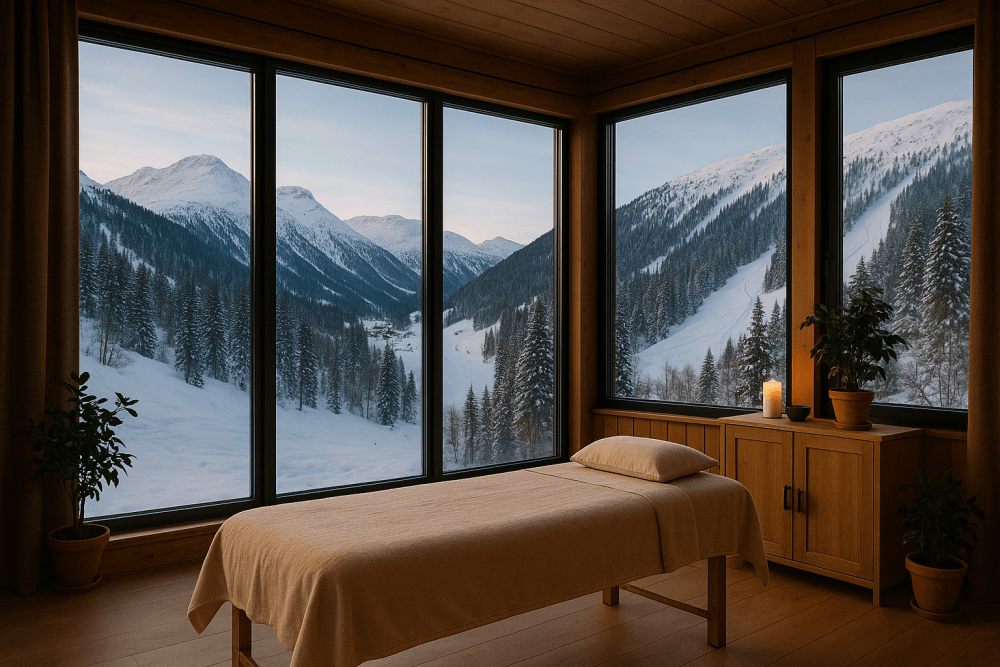

As winter sports season unfolds across Norway and the slopes around Oslo fill with energy, many people rediscover the joy of movement. Skiing, snowboarding, skating, or simply hiking through snowy trails brings strength and vitality, but also new challenges for the body. Muscles work harder in cold conditions, balance is tested, and joints can feel the strain of repeated motion. A well-timed sports massage offers a powerful way to recover, restore flexibility, and maintain peak performance throughout the season.
After an active day outdoors, the body needs time to adapt. Muscles that have worked hard on the slopes or trails often hold residual tension that, if left unchecked, can develop into stiffness or discomfort. Sports massage helps to address this by targeting specific areas of tightness with focused pressure and rhythmic stretching. The technique increases circulation, removes metabolic waste, and promotes faster recovery by delivering oxygen and nutrients back into fatigued tissues.
For skiers and snowboarders, the legs, hips, and lower back carry the most effort. Repetitive movement, uneven terrain, and the impact of turns can cause microstrain in these muscle groups. Through deep but controlled techniques, sports massage loosens the quadriceps, hamstrings, and calves, helping them regain their natural elasticity. This not only relieves soreness but also improves stability and balance, reducing the risk of future injury.
Sports massage is not only for professional athletes. It benefits anyone who enjoys being active — from those training regularly to those taking a weekend trip to the mountains. The goal is not to push the body harder but to help it recover more efficiently. Even a single session after physical effort can bring noticeable improvements in comfort and mobility. Over time, regular treatment builds resilience, allowing you to move with more ease and confidence.
At Massagenjoy, we tailor each sports massage to the specific needs of your activity and recovery goals. For instance, a skier may require deep, slow pressure along the thighs and calves, while a runner might benefit from myofascial release around the hips and hamstrings. Our approach is both restorative and preventative — designed to keep the body supple and ready for continued movement.
We often incorporate stretching and mobilisation into the session. These techniques extend the benefits of massage by improving range of motion and releasing areas that traditional pressure work may not reach. Gentle assisted stretches lengthen tight muscles and allow joints to move more freely. The result is a body that feels balanced, supported, and aligned after demanding activity.
Heat therapy can also be integrated into sports massage, especially in colder weather. Applying warm compresses or using heated oils encourages muscle relaxation and enhances blood flow. For those who have spent hours in icy conditions, this combination of heat and touch creates deep comfort and accelerates the body’s natural recovery process. It’s a simple yet effective way to counteract the chill of winter training.
Beyond physical recovery, sports massage supports mental wellbeing. Physical activity, while invigorating, can also place stress on the body and mind. Taking an hour to slow down, breathe deeply, and receive care allows the nervous system to reset. Many clients notice improved sleep, reduced anxiety, and a greater sense of focus after their session. The calm environment of the studio contrasts beautifully with the intensity of outdoor activity, offering a full-circle sense of restoration.
To get the most from a sports massage, timing is important. A gentle recovery session within twenty-four hours of physical activity helps the body release tension before it becomes embedded. For those in regular training, weekly or bi-weekly sessions can support steady progress and prevent minor discomforts from developing into injuries. Our therapists can recommend the best schedule depending on your goals and level of activity.
Hydration also plays a role in recovery. Drinking water before and after your massage helps flush out toxins and supports muscle repair. Combining regular massage with stretching, balanced nutrition, and adequate rest creates a strong foundation for lasting wellness and performance.
In Oslo, the beauty of winter sports is matched by the need for mindful recovery. The crisp air, snow-covered slopes, and sense of freedom bring joy to the season, but caring for your body ensures you can enjoy them fully. A sports massage bridges the gap between effort and ease — transforming fatigue into flow, tension into strength, and motion into comfort.
At Massagenjoy, we welcome athletes of every level to experience the benefits of targeted sports massage. Whether you are recovering after a day on the slopes, preparing for your next training session, or simply seeking better movement in daily life, our tailored treatments are designed to meet you where you are. Let skilled hands guide you back to balance, so you can return to the outdoors refreshed, restored, and ready for more.